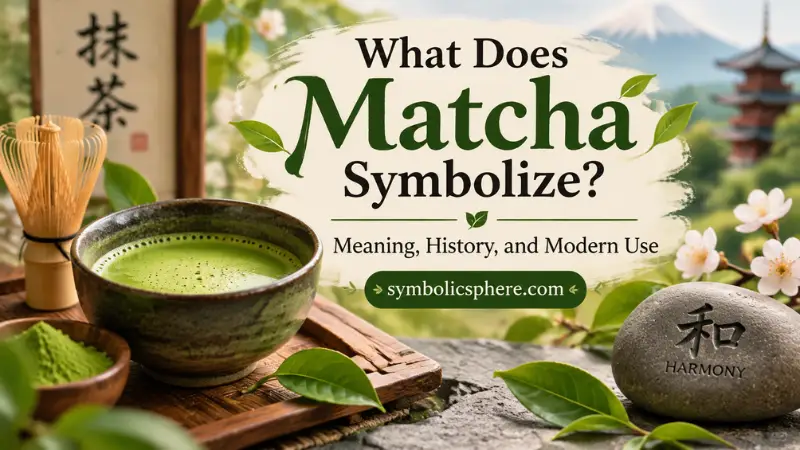
Scroll through any café menu or wellness feed and matcha is everywhere — but the bright green powder carries more history than most people realize. Matcha is more than a powdered green tea; it’s become a symbol of mindfulness, balance, and intentional living. Rooted in centuries of Japanese tea tradition, matcha now carries new meaning in modern American culture, where it represents wellness, creativity, and a slower pace of life.
This guide breaks down where that symbolism comes from — starting with matcha’s roots in Japanese Buddhist and tea ceremony tradition, then tracing how those meanings have shifted as matcha became part of everyday American life, from morning routines to café culture to social media.
In short: Matcha symbolizes mindfulness, balance, and intentional living in modern American culture, especially in wellness routines and café culture. Historically, it’s tied to Japanese tea ceremony values like meditation, hospitality, and respect.
From traditional tea ceremonies to trendy cafés and social feeds, matcha’s meaning shifts with its setting. Its bright green color, deliberate preparation, and cultural history have made it a lasting symbol of harmony, discipline, and appreciation for simple moments.
What Matcha Is and Why It Became Symbolic
Matcha is a finely ground powder made from tencha — specially shade-grown green tea leaves. Unlike steeped tea, where the leaves are removed before drinking, matcha is whisked directly into water, so you consume the entire leaf.
That preparation is part of why it carries meaning: measuring the powder, controlling the water temperature, and whisking it into a smooth, balanced drink all require attention. The ritual itself encourages people to slow down and stay present, rather than rushing through the process.
In the U.S., matcha is often linked to wellness culture and intentional routines. A morning matcha can represent a calmer alternative to a rushed start to the day, while a matcha ordered at a café can signal social connection or personal style just as much as taste.
The Core Meanings Behind Matcha
Matcha’s symbolism comes from both its physical qualities and the traditions built around it. A few meanings show up again and again, across both Japanese tradition and modern American use:
| Context | Common Meaning | Typical Associations |
|---|---|---|
| Daily routines | Mindfulness, balance | Calm mornings, self-care |
| Japanese tradition | Respect, harmony | Tea ceremony, hospitality |
| Green color | Renewal, nature | Growth, health, freshness |
| Social settings | Connection, community | Cafés, gatherings |
| Personal identity | Creativity, lifestyle | Wellness culture, self-expression |
Two meanings stand out most. First, presence — preparing matcha demands attention, so the process itself invites people to notice flavor, texture, and the moment rather than consuming something on autopilot. Second, balance — the drink’s mix of bitterness and sweetness is sometimes read as a small reminder that different experiences can coexist.
The Ancient Roots of Matcha in Japan
Matcha’s symbolic history is closely tied to Japanese Buddhist practice and the development of the tea ceremony.
Tea itself originated in China, but powdered tea traditions reached Japan centuries ago, where Buddhist monks used it to stay alert during meditation. Over time, matcha became associated with discipline, focus, and spiritual practice — qualities that carried into the Japanese tea ceremony as it developed into a structured practice built on respect, simplicity, and hospitality.
Central to that tradition is the idea that a single moment, treated with care, can become meaningful. Every step of the Japanese tea ceremony — from preparing the tea to serving guests — is performed deliberately, and it’s this idea of ordinary actions becoming meaningful through attention that gives matcha much of its symbolic weight today.
What the Tea Ceremony Represents
The Japanese tea ceremony, known as chanoyu or chadō (“the way of tea”), turned matcha from a beverage into a cultural practice built around four core values:
- Harmony — creating peace between host and guest
- Respect — showing care through deliberate action
- Purity — maintaining simplicity and sincerity
- Tranquility — creating calm, away from distraction
The tea room itself reflects these values: simple decoration, natural materials, and carefully arranged objects that encourage guests to notice subtle details. In this setting, matcha symbolizes a temporary escape from everyday pressure — the point isn’t just drinking tea, but sharing a meaningful moment with another person.
How Americans Interpret Matcha Today
In the U.S., matcha carries meanings that extend well beyond its Japanese origins, shaped largely by coffee shops, wellness trends, and social media. Common American associations include:
- Healthy, intentional living
- Mindful daily routines
- Environmental awareness
- Creativity and personal style
- Modern café culture
For many people, ordering a matcha latte is a small lifestyle statement — it can suggest a preference for slower mornings or natural ingredients. But interpretation varies widely: plenty of people simply like the taste, with no symbolic intent attached. Not every cup of matcha needs to mean something, and that’s part of the point — the symbolism is available, not mandatory.
Why Matcha’s Green Color Matters
Color carries a lot of the symbolic weight here. Matcha’s vibrant green naturally connects it to the natural world — green broadly represents growth, renewal, and balance across many cultures, and that association carries directly into how matcha is marketed and perceived.
In American design and branding, green routinely signals nature, health, and sustainability, reinforcing those same associations for matcha. The color also sets matcha apart from coffee: where coffee culture leans toward energy and productivity, matcha is usually positioned as the calmer, more grounded option. That contrast has helped it build a distinct identity in food and lifestyle spaces, separate from tea in general.
Why Is Matcha Associated with Wellness?
Matcha became linked to wellness through a combination of its traditional use, natural appearance, and its adoption by people drawn to mindful lifestyles. The ritual of preparing it — scooping, adding water, whisking — creates a built-in moment of focus that many people find calming, whether or not they think of it in spiritual terms.
That said, it’s worth separating symbolism from spirituality. Matcha isn’t a religious symbol; while it has real historical ties to Buddhist practice, most modern uses are cultural, culinary, or personal rather than devotional. And while wellness is a common association, it isn’t the only reason people drink it — plenty of people choose matcha purely for its flavor.
Matcha in Fashion, Design, and Personal Expression
Matcha’s reach now extends into visual culture — its green shows up in clothing, interior design, packaging, and social content. In fashion and home design, matcha-inspired shades tend to signal freshness and a connection to nature. On social media, a carefully styled matcha photo often communicates as much about someone’s aesthetic and values as it does about the drink itself.
Matcha in Tattoos and Art
Matcha is less common than symbols like flowers or animals in tattoo art, but it does appear among people with a personal connection to Japanese culture or tea ritual. A matcha-related tattoo might represent an appreciation for Japanese tradition, a meaningful trip, or simply a personal reminder to slow down. As with most cultural symbols, the meaning depends heavily on the individual — and it’s worth approaching traditional Japanese imagery with some awareness of its cultural origins rather than treating it as purely decorative.
Matcha Across Cultural Traditions
Matcha’s strongest cultural tie is to Japan, but tea more broadly carries meaning across many societies. In China, tea culture has long been connected to philosophy, hospitality, and health. That tradition shaped how tea practices later evolved in Japan, and across many cultures, offering tea to a guest is a simple, direct expression of welcome and respect.
Matcha’s global popularity today blends these older meanings with newer ones tied to wellness and personal identity — one more layer on top of a much older tradition, rather than a replacement for it.
Modern Uses of Matcha in American Culture
Matcha now shows up across many parts of everyday American life, including:
- Matcha lattes and café drinks
- Desserts and baked goods
- Wellness routines
- Home cooking and recipes
- Beauty products
- Restaurant menus and social content
The rise of specialty cafés has made matcha a familiar part of food culture, often used by businesses to signal freshness and craft. At the same time, plenty of people simply enjoy it as an ingredient — not every use is symbolic, and that’s fine.
Common Misunderstandings About Matcha Symbolism
A few oversimplifications tend to follow matcha as it’s grown more popular:
- “Matcha automatically represents spirituality.” It has real ties to Buddhist and tea traditions, but most modern use is cultural or personal, not religious.
- “Matcha always means health.” It’s often linked to wellness, but people drink it for plenty of reasons — taste included.
Keeping the original cultural context in view helps matcha stay connected to its history, rather than flattening into just another trend.
FAQs
What does matcha symbolize spiritually?
Matcha can represent mindfulness, discipline, and awareness because of its ties to Japanese tea practice and meditation traditions, though interpretations vary by person and belief.
What does matcha symbolize in Japanese culture?
In Japanese culture, matcha is closely tied to tea ceremony values — respect, harmony, simplicity, and hospitality — representing careful attention to both preparation and the relationship between host and guest.
What does a matcha tattoo symbolize?
It can represent an appreciation for tea culture, a travel memory, or a personal reminder toward mindfulness. The meaning is largely personal.
Why is matcha associated with wellness?
Its traditional use, natural appearance, and adoption by wellness-minded communities all contribute — though its symbolism extends beyond health alone.
Is matcha a religious symbol?
Not on its own. It has historical ties to Buddhist practice, but today it’s understood mainly as a cultural, culinary, and lifestyle symbol.
What does the green color of matcha represent?
Renewal, nature, freshness, and balance — associations drawn both from matcha’s natural appearance and green’s broader cultural meaning
Conclusion
Matcha represents more than a drink — it reflects ideas about attention, tradition, and personal choice. Its meaning grew out of Japanese tea culture, built around respect, harmony, and presence, and keeps evolving as more people around the world make it part of their own routines. In the U.S., that history now sits alongside newer associations with wellness, creativity, and slower, more intentional living.
Whether it’s part of a formal tea ceremony or a quick café order on the way to work, matcha remains a symbol shaped by both history and personal experience — and how much meaning you attach to your own cup is entirely up to you.