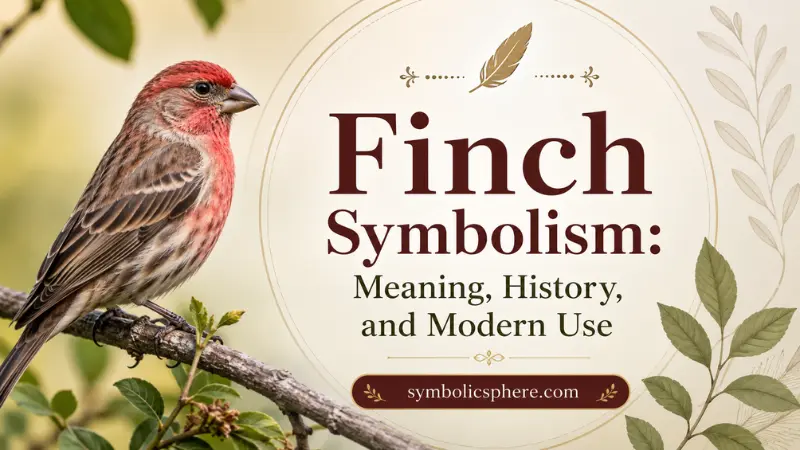
Finches are among the most familiar songbirds in North America, known for their bright plumage, lively personalities, and cheerful melodies. Because they appear in neighborhoods, parks, forests, and gardens across the United States, people often associate them with everyday moments of hope and renewal. Finch symbolism has grown from these observations, reflecting ideas about happiness, resilience, freedom, and finding joy in life’s simple experiences.
Unlike birds linked mainly to myths or legends, finches gained much of their symbolic meaning through their close relationship with ordinary people. Their presence in backyards, especially around bird feeders, has made them a comforting sign of changing seasons, healthy environments, and life’s continuing rhythms. Today, they remain meaningful in art, personal symbolism, nature appreciation, and popular culture.
Unlike birds linked mainly to myths or legends, finches gained much of their symbolic meaning through their close relationship with ordinary people. Their presence in backyards, especially around bird feeders, has made American Goldfinches and other familiar finches comforting signs of changing seasons, healthy environments, and life’s continuing rhythms. Today, they remain meaningful in art, personal symbolism, nature appreciation, and popular culture.
Quick Answer
Finch symbolism most commonly represents joy, optimism, resilience, and everyday happiness in modern American culture. Historically, finches have also symbolized freedom, abundance, family life, and hope because of their colorful appearance, social behavior, and uplifting songs.
TL;DR
- Finches symbolize happiness and optimism.
- They represent resilience through seasonal change.
- Americans associate them with backyard nature.
- Many cultures view them as signs of hope.
- Their songs symbolize positivity and renewal.
- Modern designs use finches to express peace and freedom.
What a Finch Is and Why It Draws Attention
Finches belong to a large family of small seed-eating birds found throughout much of the world. In the United States, species such as the American Goldfinch, House Finch, and Purple Finch are especially recognizable.
People often notice finches because they are active, colorful, and highly social. Their pleasant songs and energetic movements naturally attract attention, making them easy to admire even for those who know little about birds.
These qualities have shaped their symbolic meaning. Rather than appearing distant or intimidating, finches seem approachable, encouraging people to appreciate ordinary beauty and everyday moments.
The Core Meaning of Finch Symbolism
Today, finches commonly symbolize several positive ideas:
- Happiness
- Hope
- Optimism
- Freedom
- Adaptability
- Community
- Renewal
- Appreciation of simple pleasures
Unlike larger birds of prey that often represent strength or authority, finches symbolize emotional well-being and quiet confidence. Their message is less about overcoming others and more about embracing life’s small victories.
Many people see a finch as a reminder to remain cheerful even during uncertain times.
How Finches Became Symbolic Through History
Finches were not usually central figures in ancient mythology, but they appeared frequently in everyday life across Europe, Asia, and parts of Africa.
Because these birds were easy to observe, people gradually connected them with seasonal cycles, farming, and the arrival of spring. Their nesting habits also encouraged associations with family, fertility, and successful harvests.
During the Middle Ages, artists sometimes included finches in paintings to represent innocence, humility, or the beauty of God’s creation. Renaissance artwork occasionally portrayed goldfinches alongside religious figures, where they carried additional symbolic meanings related to sacrifice and hope.
Over time, their symbolism expanded beyond religion into broader ideas of joy and perseverance.
What Finches Symbolize in the United States
In American culture, finches are appreciated primarily as familiar backyard birds rather than rare or exotic creatures.
Many Americans associate them with:
- Healthy gardens
- Peaceful neighborhoods
- Spring and summer
- Family life
- Nature conservation
- Positive everyday experiences
Because millions of households maintain bird feeders, spotting a finch often creates a personal connection with nature. Their regular visits can represent consistency, comfort, and the simple rewards of caring for the environment.
Unlike symbols tied to specific holidays, finches carry a year-round message of optimism and appreciation for wildlife.
Emotional and Psychological Meaning
On an emotional level, finches often represent a healthy outlook on life.
Their lively behavior encourages associations with:
- Emotional resilience
- Curiosity
- Contentment
- Flexibility
- Social connection
- Emotional balance
Psychologically, people sometimes view finches as reminders not to overlook small moments of happiness. Their constant activity suggests forward movement without unnecessary urgency.
For individuals recovering from stress or major life changes, the appearance of a finch may feel encouraging because it reflects adaptability rather than perfection.
Finch Symbolism Across Different Cultures
Although symbolism varies by region, several themes appear consistently.
| Culture or Context | Common Meaning | Associated Ideas | Notes |
|---|---|---|---|
| United States | Joy and optimism | Nature, renewal, family | Common backyard bird |
| European traditions | Happiness and spring | New beginnings | Often connected to seasonal change |
| Christian art | Hope and redemption | Faith, sacrifice | Especially the goldfinch |
| East Asian interpretations | Good fortune | Harmony, prosperity | More symbolic in decorative art |
| Modern global culture | Freedom and positivity | Personal growth | Common in artwork and jewelry |
While details differ, most cultures interpret finches positively rather than negatively.
Religious and Spiritual Associations
Finches do not occupy a major place in most religious texts, yet they have appeared in religious art and symbolism.
In Christian tradition, the European goldfinch became associated with Christ because it was believed to feed among thorny plants. Artists used the bird to symbolize suffering followed by hope and eventual redemption.
Outside Christianity, finches generally symbolize the beauty of creation rather than carrying formal theological meaning.
Many modern spiritual interpretations focus on gratitude, hope, and paying attention to everyday blessings rather than supernatural messages.
Why Finches Represent Freedom
Birds naturally symbolize freedom because of flight, but finches express this idea differently from eagles or hawks.
A finch represents:
- Freedom through simplicity
- Independence without isolation
- Living lightly
- Adapting to changing conditions
Their freedom comes from flexibility rather than dominance.
This distinction explains why finches appeal to people seeking balance instead of competition.
Finch Symbolism in Art, Literature, and Music
Artists frequently include finches to create scenes that feel peaceful and alive.
In paintings, a finch can symbolize:
- Domestic harmony
- Seasonal beauty
- Innocence
- Renewal
Writers sometimes use finches to contrast hope against difficult circumstances. Their cheerful songs create emotional balance during reflective scenes.
Musicians have also referenced songbirds, including finches, to symbolize freedom, happiness, and emotional healing.
Although they receive less attention than ravens or doves, finches continue to appear as subtle symbols of everyday optimism.
Finch Tattoos and Personal Symbolism
Finch tattoos have become increasingly popular among people who prefer understated nature-inspired designs.
A finch tattoo may represent:
- Starting over
- Personal growth
- Emotional recovery
- Love of nature
- Independence
- Family bonds
Unlike aggressive bird imagery, finch tattoos communicate quiet confidence and appreciation for life’s simple pleasures.
Color also influences interpretation.
- Yellow finches often represent happiness.
- Red finches may symbolize passion or vitality.
- Blue artistic interpretations emphasize peace.
- Paired finches frequently symbolize lasting relationships.
Finch Symbolism in Home Décor and Design
Finches appear regularly in home décor because they create feelings of warmth and comfort.
Popular examples include:
- Wall art
- Garden decorations
- Decorative pillows
- Kitchen textiles
- Seasonal wreaths
- Greeting cards
Their image fits especially well in homes inspired by natural landscapes or cottage-style design.
In American decorating trends, birds often symbolize hospitality, and finches contribute a welcoming atmosphere without appearing formal.
Dreams About Finches
Dream interpretation varies from person to person, but certain symbolic themes appear frequently.
A finch in a dream may suggest:
- Good news approaching
- Emotional healing
- New friendships
- Fresh opportunities
- Greater confidence
A singing finch often reflects emotional satisfaction or positive communication.
A nesting finch may symbolize family responsibilities or creating a secure future.
An injured finch can represent temporary discouragement, reminding the dreamer to protect emotional well-being rather than ignore personal needs.
Dreams should be understood within the context of an individual’s experiences rather than treated as universal predictions.
Common Misunderstandings About Finch Symbolism
One misconception is that every bird carries identical symbolic meaning.
Although finches share certain themes with sparrows, robins, or canaries, they have distinct associations.
For example:
- Eagles emphasize leadership.
- Ravens often symbolize transformation or mystery.
- Doves represent peace.
- Owls commonly symbolize wisdom.
- Finches emphasize optimism, adaptability, and everyday happiness.
Another misunderstanding is assuming that every finch sighting carries a supernatural message.
Many people simply enjoy seeing finches because they reflect healthy ecosystems and bring beauty into daily life. Their symbolic value often comes from personal reflection rather than fixed universal meanings.
How the Meaning of Finches Has Changed Over Time
Centuries ago, finches were closely connected with farming communities that depended on seasonal cycles.
As societies became more urban, their symbolism gradually shifted.
Today, many Americans experience finches through:
- Backyard bird feeders
- Nature photography
- Wildlife conservation
- Parks and hiking trails
- Garden landscaping
Modern symbolism therefore focuses less on agriculture and more on reconnecting with nature in everyday life.
Environmental awareness has also strengthened the finch’s image as a reminder to protect biodiversity and local wildlife habitats.
FAQs
What does a finch symbolize?
A finch most commonly symbolizes happiness, hope, resilience, and optimism. Many people also associate it with appreciating life’s simple moments and maintaining a positive outlook.
Is seeing a finch considered good luck?
Many people interpret seeing a finch as a positive sign because of its cheerful appearance and song. While beliefs vary, it is commonly viewed as an encouraging reminder rather than a prediction of future events.
What does a finch tattoo mean?
A finch tattoo often represents personal growth, emotional healing, freedom, and resilience. Some people also choose the design to express their love of nature or family connections.
Does the Bible give finches symbolic meaning?
Finches are not major biblical symbols, but the European goldfinch became important in Christian art. It has been used to represent hope, sacrifice, and redemption through artistic tradition rather than direct biblical teaching.
Are finches symbols of love?
Finches can symbolize affectionate relationships because they often form social bonds and work together while nesting. They more commonly represent companionship and lasting connection than romantic passion alone.
How are finches different from other symbolic birds?
Unlike birds that symbolize power, wisdom, or peace alone, finches are closely associated with everyday happiness, resilience, and adaptability. Their symbolism reflects ordinary life and finding joy in small experiences.
Conclusion
Finches may be small birds, but the meanings attached to them are remarkably enduring. Their bright colors, sociable nature, and uplifting songs have inspired associations with happiness, resilience, freedom, and hope across generations. In the United States, they are especially valued as familiar backyard visitors that remind people of seasonal change, healthy environments, and the quiet pleasures of everyday life.
Whether they appear in artwork, gardens, tattoos, or personal reflection, finch symbolism continues to encourage optimism without ignoring life’s challenges. Rather than promising extraordinary events, the finch reminds us that resilience, gratitude, and simple moments of beauty often provide the strongest foundation for a meaningful life. For factual details about their appearance, habitat, and behavior, explore the Cornell Lab of Ornithology’s guide to finch species
[…] symbolism and its spiritual meaning point to a consistent cluster of ideas: freedom, connection to a loved one who has passed, […]