Burgundy color symbolism centers on sophistication, ambition, maturity, passion, and understated luxury. This deep, reddish-purple shade appears in formal clothing, leather goods, interior design, university traditions, and seasonal decorations. Its rich appearance makes it feel more restrained than bright red while retaining many of red’s associations with love, confidence, and intensity.
Color meanings depend on context. A burgundy velvet dress may suggest elegance, while a burgundy leather chair can communicate comfort and permanence. The same shade on a sports uniform might express team identity, and in a wedding bouquet, it may add romance and visual depth.
Understanding burgundy means looking beyond its appearance. Its associations developed through the history of wine, dyes, textiles, social status, and changing ideas about taste. The historical associations of purple with royalty and prestige, explored in the Smithsonian’s history of the color purple, provide useful context for understanding burgundy’s refined appearance. In contemporary American culture, it occupies an interesting space between traditional formality and modern personal style.
Quick Answer
Burgundy color symbolism most commonly represents sophistication, confidence, mature love, ambition, and understated luxury in modern American culture. Its historical associations with wine, costly textiles, and formal dress have also connected it with refinement, authority, celebration, and enduring quality.
TL;DR
Personal meaning: The shade can suggest individuality, warmth, tradition, or quiet confidence.
Sophistication: Burgundy often communicates elegance without excessive brightness.
Romance: Its red undertones suggest passion, devotion, and mature affection.
Authority: Dark reddish-purple shades can convey confidence and professionalism.
History: Wine, textile production, and formal clothing helped shape its associations.
Modern use: Americans incorporate burgundy into fashion, interiors, weddings, and branding.
What Does Burgundy Look Like?
Burgundy is a dark red shade with noticeable purple, brown, or wine-colored undertones. Depending on the lighting and the materials used, it can look like ripe cherries, dark red wine, or red velvet in a softly lit room.
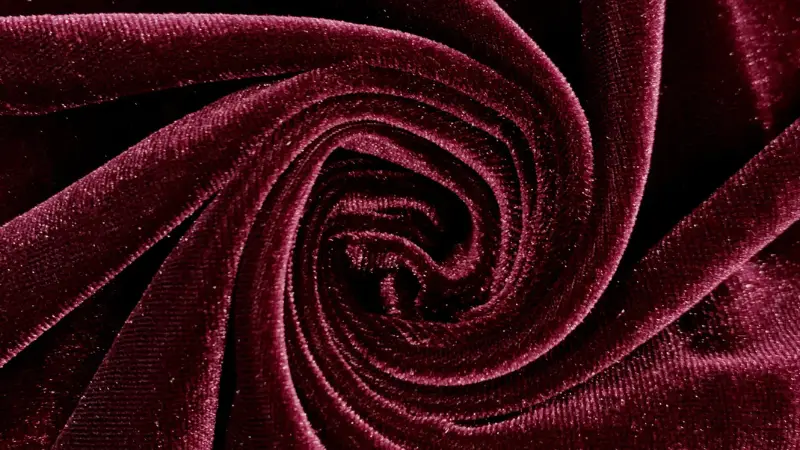
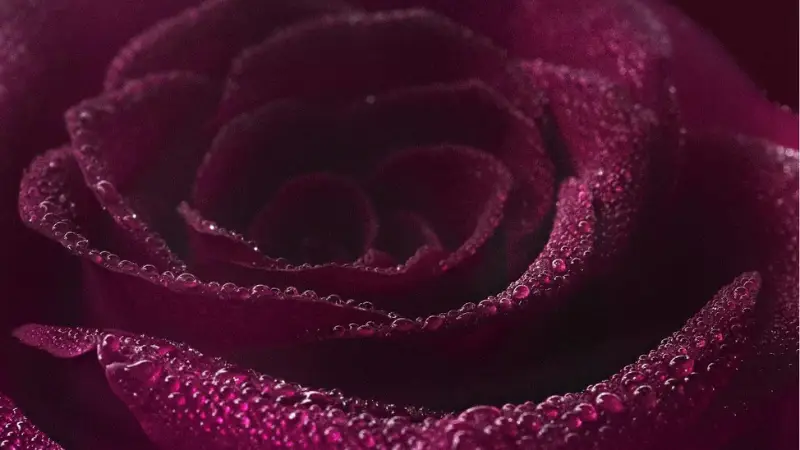
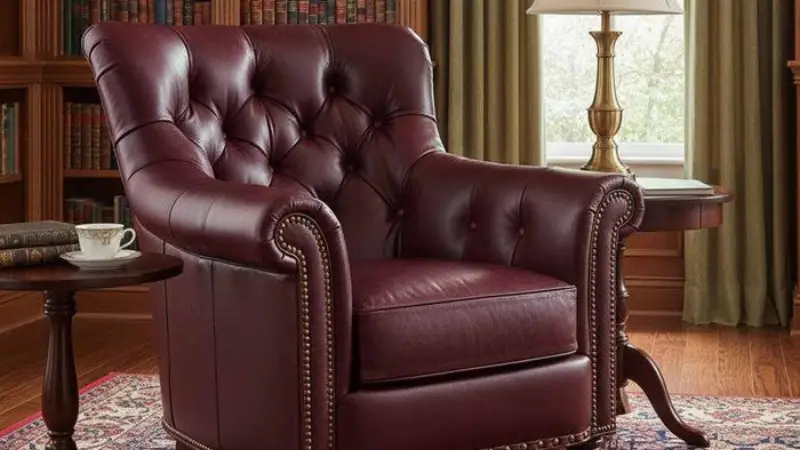
The color is often confused with maroon, oxblood, and wine red. These shades overlap, and their exact appearance varies between manufacturers, but burgundy typically has a recognizable wine-inspired character.
| Color | General appearance | Common associations |
|---|---|---|
| Burgundy | Deep, wine-like red with purple undertones | Refinement, maturity, romance |
| Maroon | Dark red that often leans brown | Tradition, strength, school identity |
| Oxblood | Very dark red, sometimes nearly brown or black | Luxury, durability, bold style |
| Crimson | Rich, vivid red | Passion, courage, intensity |
| Wine red | Broad family of dark red shades | Celebration, sophistication, warmth |
These distinctions matter because a lighter, more vivid red may attract attention immediately, while burgundy often creates a quieter, more composed impression.
The Core Symbolic Meanings of Burgundy
Burgundy has no single universal meaning, but several associations recur in contemporary American design and personal style.
Sophistication and refinement are among its most familiar meanings. Its connection with wine, velvet, and formal clothing gives the color an established, polished appearance. It can make an outfit or room feel deliberate without relying on bright metallic accents or highly saturated colors.
Maturity and confidence are also common interpretations. Burgundy retains red’s visual intensity but tempers it with darkness. As a result, it can suggest someone who is self-assured rather than eager to attract attention.
Passion and romance emerge from its red undertones. Unlike bright scarlet, which can feel energetic and immediate, burgundy often suggests affection that has developed over time. This makes it a popular choice for romantic styling, autumn weddings, and intimate settings.
Ambition and authority are additional associations. A burgundy blazer, handbag, or office accessory can communicate seriousness while remaining more distinctive than standard black or navy.
Finally, burgundy may represent warmth, stability, and tradition. These meanings depend on the setting, but the shade frequently works well in environments intended to feel comfortable, established, and inviting.
Historical Origins: From French Wine to a Color Name
Burgundy takes its name from the Burgundy region of France, known internationally for its wine. The name originally referred to a place and its wines before becoming a familiar label for a particular shade of red.
The distinction is important: people used red pigments and dyes long before burgundy became an established color name. The specific term reflects a later cultural association between a recognizable wine color and the appearance of textiles and decorative objects.
The color name entered English fashion and design usage during the nineteenth century. As named shades became more important in commercial textiles, clothing, and interior decoration, wine-inspired descriptions helped customers distinguish one red from another.


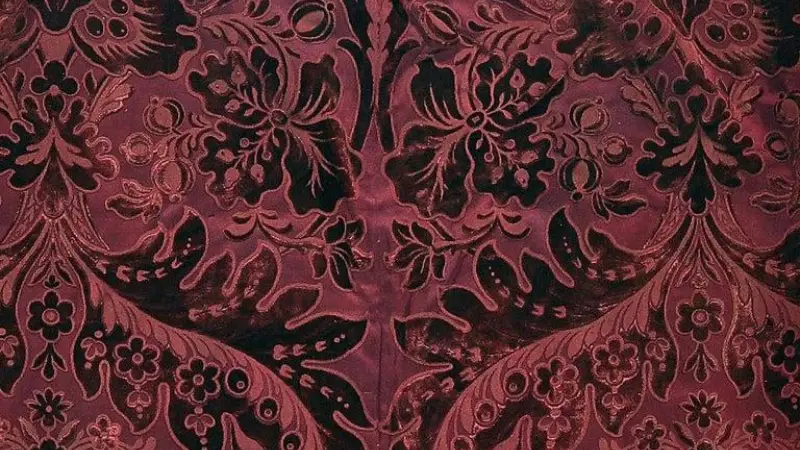
The historical development of burgundy also reflects a broader change in how people describe color. Instead of referring only to basic categories such as red or purple, merchants and designers increasingly used familiar objects, places, foods, and materials to communicate precise shades.
The name itself therefore carries a modest cultural history. It links a particular color to French regional identity, wine production, and the development of fashion vocabulary.
How Red and Purple Shaped Burgundy’s Meaning
Burgundy inherits many of its associations from red, while its darker appearance and purple undertones create a different impression.
Red has long carried associations with blood, fire, love, danger, celebration, and authority. Its visibility made it useful in clothing, ceremonial objects, religious art, and public displays. Across different periods and societies, red could indicate prestige, devotion, aggression, or vitality.
Purple developed a different set of associations in several European historical contexts. Certain purple dyes were expensive or difficult to produce, making purple textiles signs of wealth and rank in particular societies. These associations later contributed to the color’s connection with formality and prestige.
Burgundy combines aspects of both. It has the warmth and emotional intensity of red, but its depth creates a more restrained appearance. Its wine-like character adds associations with celebration, hospitality, and cultivated taste.
These connections should not be treated as fixed psychological rules. A color does not automatically make someone confident or communicate wealth. Instead, historical associations, familiar objects, cultural expectations, and the surrounding design influence how people interpret it.
Burgundy Color Symbolism in American Culture
In the United States, burgundy is especially recognizable in clothing, university apparel, sports branding, home furnishings, and seasonal design. Its meanings often emerge from these everyday uses rather than from a single national tradition.
In professional settings, burgundy can offer an alternative to black, navy, or gray. A dark red tie, handbag, or jacket may suggest confidence and individuality while remaining appropriate for many formal occasions.
American colleges and sports teams also use burgundy as an identifying color. In these contexts, its meaning comes less from universal color symbolism and more from affiliation, shared memories, school traditions, and loyalty. A burgundy sweatshirt can represent a particular university just as strongly as any abstract idea of sophistication.
Seasonal decoration gives the color another familiar role. During fall, burgundy appears alongside rust, gold, brown, and deep green. Together, these colors evoke changing leaves, harvest celebrations, and the transition toward winter.
In contemporary American interiors, burgundy can signal either traditional elegance or a more expressive design preference. Its effect depends on the materials, lighting, and colors around it.
Burgundy in Fashion: Confidence Without Excess
Fashion is one of the clearest places to see burgundy’s symbolic appeal. The shade is noticeable, but it usually feels less visually aggressive than bright red. That balance makes it useful for people who want color without sacrificing a polished appearance.
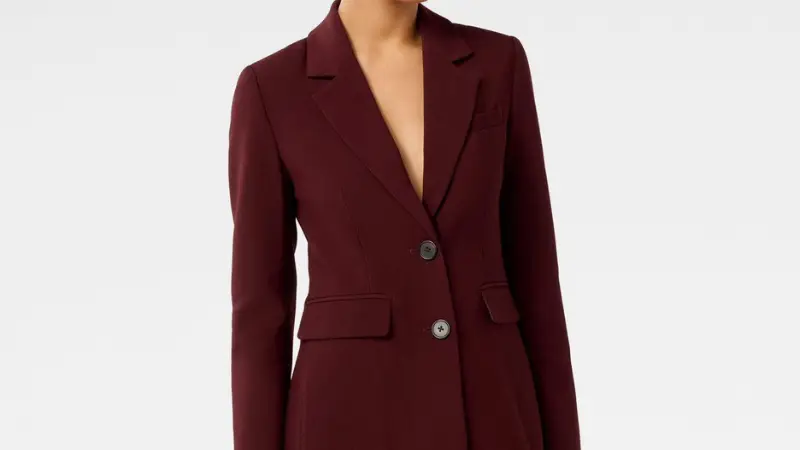
A burgundy suit or blazer may suggest professionalism with a personal touch. Burgundy shoes or a handbag can add richness to a neutral outfit. A burgundy evening dress, meanwhile, can communicate romance and glamour without relying on sequins or a bright finis
Its symbolism also changes with fabric. Velvet emphasizes softness and formality, leather suggests durability, and satin highlights richness and movement. The color stays recognizable, but the material helps determine the impression.
Burgundy is not limited to formal or expensive clothing. Sneakers, knitwear, denim accents, and casual accessories can make it feel youthful and relaxed. Its meaning is shaped by styling, not simply by the shade itself.
For many Americans, burgundy offers a practical middle ground: expressive enough to stand out, but restrained enough to wear across different occasions.
Love, Romance, and Wedding Symbolism
Burgundy’s connection with romance comes largely from its relationship to red, a familiar symbol of love and desire in many Western contexts. Its darker tone introduces a more mature, dramatic variation on that association.
In weddings, burgundy often appears in bouquets, bridesmaid dresses, floral arrangements, table linens, and invitations. Paired with cream, it can feel classic; with blush, it may appear softer; and with gold, it can create a formal, celebratory atmosphere.
The shade can suggest commitment, depth of feeling, and enduring affection, but these are interpretations rather than universal rules. Couples may choose burgundy because it suits an autumn venue, complements flowers, or fits their personal style.
In romantic gifts, burgundy roses or packaging can create a more subdued alternative to bright red. The gesture may feel thoughtful and elegant, particularly when paired with a personal message.
Burgundy does not have a universally established meaning for a specific relationship stage. Its romantic associations come from the broader symbolism of red, the visual richness of the shade, and the intentions of the person using it.
Burgundy in Home Decor and Interior Design
Burgundy can change the mood of a room considerably. On a small accent, it introduces warmth and contrast. Across a large surface, it can make a room feel intimate, dramatic, or traditional.
A burgundy velvet sofa often suggests comfort and formality because both the color and texture contribute to that impression. Burgundy curtains can add visual weight to a room, while a rug or decorative pillow introduces the shade without dominating the space.
The color pairs naturally with several palettes:
- Cream and ivory: create contrast and soften burgundy’s intensity.
- Gold and brass: emphasize warmth and a formal appearance.
- Forest green: create a traditional, nature-inspired palette.
- Charcoal and black: produce a dramatic, contemporary effect.
- Blush and dusty pink: bring out the romantic side of the shade.
- Natural wood: adds warmth and an established, comfortable feel.
Lighting matters. In a dim room, burgundy may look almost brown or black; in brighter light, its red and purple undertones become more apparent. Large amounts can also feel visually heavy, so lighter neutrals may help balance it.
Its symbolic effect ultimately comes from the entire space, not the color in isolation.
Emotional and Psychological Associations
People often describe burgundy as warm, grounded, elegant, serious, or emotionally rich. These impressions are understandable because the shade combines red’s visual intensity with a darker, less luminous appearance.
Compared with a bright red, burgundy may seem calmer because it is less vivid. Compared with gray or beige, it feels more expressive because it carries stronger red undertones. This contrast helps explain why designers use it when they want a room, outfit, or brand to feel distinctive without becoming excessively bright.
Color psychology, however, requires caution. Although colors can influence impressions and preferences, reactions vary according to personal experience, setting, culture, lighting, and surrounding colors. Burgundy cannot reliably diagnose personality, predict behavior, or guarantee a particular emotional response.
A person who chooses burgundy might appreciate traditional design, enjoy rich colors, or simply prefer how the shade complements their complexion. None of these choices proves a particular character trait.
Its emotional symbolism is best understood as a set of possible associations rather than a scientific test of personality.
Burgundy in Art, Branding, and Public Identity
Burgundy has practical value in graphic design because it can appear established, distinctive, and warm. Businesses may use it to suggest craftsmanship, quality, hospitality, or premium positioning.
In food and beverage branding, the association with wine can be especially direct. In fashion and beauty, burgundy may evoke lipstick, leather, eveningwear, or seasonal collections. In publishing and education, it can communicate tradition or seriousness.
Yet context determines the message. A burgundy logo for a heritage clothing company may feel classic, while the same color on a music festival poster could appear bold and contemporary.
American educational institutions and athletic programs also demonstrate how color acquires meaning through repeated public use. When students, alumni, and supporters wear a team’s colors, the shade becomes a recognizable marker of shared identity. The meaning develops through association with the institution, not merely through color psychology.
In visual art, burgundy can create contrast, suggest shadowed warmth, or draw attention to a focal point. Artists may use it to evoke richness, tension, nostalgia, or intimacy, depending on composition and subject.
Cross-Cultural Interpretations of Deep Red
Color symbolism varies between societies, and burgundy does not have one consistent meaning across all cultures. Because it is a relatively specific shade, its associations often depend on broader traditions surrounding red, purple, wine, clothing, and ceremonial objects.
In several European traditions, dark red shades can evoke formal dress, wine culture, and historical ideas about wealth or status. These associations are particularly visible in decorative arts, fashion, and traditional interiors.
In Chinese cultural contexts, red has important associations with happiness, celebration, prosperity, and auspicious occasions. Burgundy may be used in modern designs that draw on red’s celebratory appearance, but it should not automatically be treated as interchangeable with the brighter reds commonly featured in traditional festivities.
In some South Asian settings, red is associated with weddings, auspiciousness, and important life transitions. Dark red shades can appear in bridal clothing, textiles, and ornamentation, although meanings and preferences differ by region, religion, and family tradition.
Religious interpretations also depend on context. In Christian art and ceremonial traditions, red can refer to sacrifice, martyrdom, love, or the Holy Spirit in particular settings. Burgundy may visually echo these associations, but it does not have one universal religious meaning of its own.
The most respectful approach is to distinguish a color’s broader associations from the specific meanings assigned to it within a community or ceremony.
Burgundy in Tattoos, Jewelry, and Personal Expression
Burgundy can be an appealing choice for personal expression because it offers a darker alternative to bright red. In tattoos, it may appear in roses, flowers, ornamental designs, lettering, hearts, or abstract compositions.
A burgundy rose tattoo might suggest mature romance, remembrance, or an appreciation for traditional floral imagery. However, there is no fixed dictionary of tattoo meanings. The flower, accompanying imagery, personal history, and intended message all influence its interpretation.
In jewelry, burgundy stones and enamel can suggest warmth and refinement. Garnet-colored pieces, for example, may be selected for their resemblance to dark red wine, although the symbolic meaning depends on the particular stone and the wearer’s beliefs.
Beauty products provide another everyday example. Burgundy lipstick and nail polish can communicate confidence, drama, or a preference for darker, more understated color. Some people associate it with autumn and winter, while others wear it throughout the year.
Personal expression works best when the color supports the meaning someone wants to convey rather than following a supposedly universal rule.
Burgundy in Autumn, Holidays, and Seasonal Traditions
Burgundy has a particularly strong place in American autumn aesthetics. It appears alongside pumpkin orange, mustard yellow, brown, and forest green in seasonal wreaths, table settings, clothing, and floral arrangements.
Its association with fall comes partly from the appearance of certain leaves, berries, and dark red flowers, as well as from familiar seasonal design palettes. The shade provides warmth without the brightness of scarlet.
During Thanksgiving gatherings, burgundy may contribute to a formal or welcoming table arrangement. At Christmas, it can complement evergreen foliage, gold ornaments, and warm white lighting. For Valentine’s Day, it offers a more subdued interpretation of traditional red romance.
These uses are primarily cultural and decorative. Burgundy is not required for any of these holidays, nor does it have a universal religious meaning in seasonal celebrations.
Its versatility makes it useful for people who want a palette that feels festive while remaining suitable for formal dinners, winter events, or everyday home decor.
Common Misunderstandings About Burgundy Symbolism
One common misunderstanding is that burgundy always represents wealth. Its association with wine, velvet, and formal clothing can create a luxurious impression, but the color itself does not indicate a person’s financial status. The same shade can appear on inexpensive clothing, sports merchandise, and ordinary household objects.
Another misconception is that burgundy necessarily symbolizes maturity or seriousness. Although these are common interpretations, a burgundy graphic, sneaker, or playful floral design can feel energetic or youthful.
Burgundy is also sometimes treated as a spiritual color with a fixed meaning. There is no single universal belief system that assigns the shade one definitive spiritual message. Personal or religious interpretations should be understood within their particular traditions.
Finally, its dark appearance does not automatically make it a symbol of sadness, danger, or mourning. Burgundy can be dramatic, but it is also widely used in celebrations, romantic settings, and welcoming interiors.
Color symbolism is most accurate when it accounts for the object, occasion, culture, and intention involved.
How Burgundy’s Meaning Has Evolved
Burgundy’s history illustrates how symbolic meaning can develop from practical use. Its name began with a geographical and wine-related association before becoming established in fashion and decorative vocabulary during the nineteenth century.
As textiles and interior furnishings became more widely marketed in named shades, burgundy gained a recognizable identity distinct from general red. Its association with formal clothing and richly colored materials helped it acquire a polished, traditional character.
In the twentieth century and beyond, the color became common in mass-market fashion, home furnishings, cosmetics, sports apparel, and branding. That broader availability made it less exclusively associated with luxury, even as designers continued using it to suggest refinement.
By 2025–2026, burgundy fits both traditional and contemporary aesthetics. It can appear in classic tailoring, minimalist interiors, streetwear, wedding palettes, and digital branding. Rather than carrying a single inherited meaning, it now serves a range of purposes shaped by personal taste and cultural context.
Its history is therefore not a straight progression from one meaning to another. It is a gradual expansion of uses, with older associations remaining available alongside newer interpretations.
FAQs
What does burgundy symbolize spiritually?
Burgundy may be interpreted as a combination of red’s associations with love, vitality, and sacrifice and darker shades’ associations with reflection or seriousness. These interpretations depend on an individual’s spiritual beliefs or cultural tradition; burgundy has no universally accepted spiritual meaning.
Is burgundy a positive or negative color?
Burgundy is generally used positively in fashion and design, where it often suggests elegance, romance, warmth, or confidence. In some contexts, its darkness can create a somber or dramatic impression, but that does not make it inherently negative.
What does wearing burgundy say about a person?
Wearing burgundy may communicate a preference for rich colors, classic styling, or a polished appearance. It cannot reliably reveal someone’s personality, confidence level, wealth, or emotional state.
What does a burgundy rose symbolize?
A burgundy rose can suggest mature love, devotion, romance, or admiration. Its meaning depends on the giver, recipient, occasion, and accompanying message rather than a universal rule about flower colors.
Why is burgundy associated with luxury?
Burgundy’s wine-inspired name and its use in formal clothing, velvet furnishings, and decorative products contribute to its refined appearance. The association is cultural rather than a guarantee of quality or price.
Is burgundy the same as maroon?
No. Burgundy commonly leans toward a wine-like red with purple undertones, while maroon often appears browner. Commercial color definitions vary, so the two shades may look similar or overlap in particular products.
What colors work best with burgundy?
Cream, ivory, gold, forest green, charcoal, blush, and natural wood can complement burgundy. The best pairing depends on whether the goal is a traditional, romantic, dramatic, or contemporary appearance.
Conclusion
Burgundy color symbolism brings together sophistication, mature romance, confidence, warmth, and tradition. Its association with French wine helped establish its identity, while its use in fashion, interiors, weddings, and American institutional colors expanded the range of meanings people attach to it. Understanding the broader history and cultural significance of color also helps explain why shades can communicate different impressions across contexts.
Today, burgundy can look formal or relaxed, traditional or modern, depending on how it is used. Its darkness gives it visual weight, while its red undertones keep it expressive and inviting.
The most useful way to understand burgundy is to consider the setting and the intention behind it. Whether it appears in a favorite jacket, a wedding bouquet, a living room, or a personal artwork, its meaning comes from the combination of color, context, and human experience.