Poetry uses words not just to tell stories but to convey deeper meanings through symbols. Examples of symbolism in poetry involve objects, colors, or actions used to represent ideas or emotions beyond their literal sense. Understanding these symbols helps readers uncover layers of meaning that enrich the reading experience. In modern U.S. culture, symbolism remains vital in poetry because it connects readers to universal themes like love, freedom, or loss in a relatable yet nuanced way.
People care about symbolism in poetry because it allows complex human experiences to be expressed concisely and memorably. With poetry often reflecting cultural and personal identity, symbols become tools for emotional and intellectual connection. Exploring examples of symbolism in poetry sheds light on how Americans interpret these signs today, revealing poetry’s continuing relevance beyond mere words.
Quick Answer
Examples of symbolism in poetry commonly represent abstract ideas like love, death, nature, or freedom in American literature and culture. Historically, these symbols also carried spiritual or cultural significance, originating from mythologies, religious traditions, and folklore, broadening their meanings beyond the text.
TL;DR
- Symbolism in poetry links words to deeper abstract concepts.
- Many symbols trace back to classical myths and religious stories.
- In the U.S., symbols often reflect cultural identity and social values.
- Poetry symbols evoke emotional responses and personal reflection.
- Modern poets adapt traditional symbols to contemporary themes.
- Misinterpretations sometimes arise when cultural context is lost.
What Symbolism in Poetry Looks Like
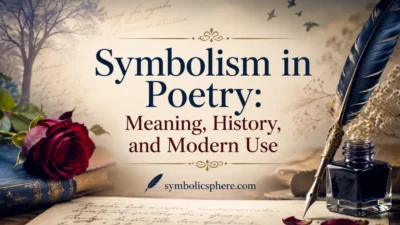
Symbolism in poetry appears as tangible objects, colors, or actions that stand for invisible ideas. For example, a rose might symbolize love or beauty; a storm could represent turmoil or change. Readers encounter symbolism in classic poems, contemporary verse, and even song lyrics where the physical image points to something more profound.
Core Symbolic Meanings Today
Today, common symbols in American poetry often relate to human feelings and social issues. Birds frequently symbolize freedom or the soul, while darkness might represent fear or death. Water can stand for cleansing or transformation. These symbols communicate emotional truths efficiently and poetically, often transcending individual experience.
Ancient Origins of Poetry Symbolism
Many poetic symbols come from ancient myths and religious traditions. For instance, the serpent once symbolized knowledge and temptation in biblical texts. The use of light versus darkness appears across cultures to express good and evil, knowledge and ignorance. These longstanding roots give symbols recognized cultural weight and universal accessibility.
Symbolism in American Poetry and Culture
In the United States, poets often use symbolism to address identity, freedom, and justice, reflecting the nation’s diverse history. The bald eagle, a national symbol, appears metaphorically in poems about liberty and strength. Nature imagery in American poetry frequently conveys connection to the land or spirituality, echoing Indigenous and settler traditions.
Comparing Symbolism in Cross-Cultural Contexts
Though many symbols appear worldwide, their meanings can differ greatly. A white flower might signify death in some Asian cultures but purity in Western poems. Recognizing these differences enriches appreciation for how poetry symbolism adapts across cultural boundaries while sharing common themes.
Emotional and Psychological Impact of Poetic Symbols
Symbols in poetry evoke feelings like hope, sorrow, or peace, inviting readers to connect with the poem’s deeper message. They can help articulate emotional complexities difficult to express plainly. For example, a broken mirror in poetry may symbolize shattered identity or bad luck, resonating psychologically with personal or societal struggles.
Modern Examples in Tattoos and Fashion
Some poetic symbols inspire tattoos, jewelry, and fashion as wearable forms of meaning. Poetry lovers often choose motifs like feathers or stars linked to freedom or guidance, respectively. These visual symbols become personal statements that connect individuals to poetry’s emotional and cultural significance.
Symbolism on Social Media and Pop Culture
In digital culture, poetic symbols appear in memes, graphics, and hashtags, often simplified but still powerful. Writers and influencers reference symbols like the phoenix to represent rebirth or resilience, which resonates in contemporary conversations about personal growth and overcoming adversity.
When Symbolism Is Misused or Misunderstood
Misinterpretations can occur when symbols are taken out of cultural or historical context. For example, the symbol of the snake, once a sign of wisdom in some traditions, may be wrongly viewed as purely evil due to selective cultural portrayals. Clarity around origins helps prevent such distortions.
How Symbolism Has Evolved Over Time
Poetry symbolism evolves as society changes. Symbols initially rooted in religious contexts now frequently appear in secular settings or to criticize those very contexts. For example, crosses used once solely as religious symbols now appear in art and literature to question faith or identity.
Why Symbolism Matters in American Public Life
Poetic symbols appear in public ceremonies, memorials, and celebrations reflecting American values. The use of the flag or certain flowers in poetry recited at national holidays ties symbolism directly to shared cultural memory and identity, showing how poetry participates in public life.
Using Symbolism to Express Identity
Poets often use symbolic imagery to communicate personal or community identity, especially marginalized voices. Symbols allow layers of meaning that can express struggles or pride subtly, creating a bridge between personal experience and collective understanding.
How Teachers Use Symbolism in Education
Teaching examples of symbolism in poetry helps students appreciate layered meanings and cultural history. It encourages critical thinking about how words shape perception and emotion, enriching literary studies and cultural awareness.
| Context | Meaning in the USA | Common Associations | Notes |
|---|---|---|---|
| Nature (e.g., trees, rivers) | Connection to life, growth, freedom | Environmentalism, spirituality | Roots in Indigenous and settler cultures |
| Colors (e.g., white, black) | Purity (white), mourning or death (black) | Weddings, funerals, fashion | Variations by cultural background |
| Animals (e.g., birds, snakes) | Freedom (birds), danger or wisdom (snakes) | Liberty, caution | Can shift with context or usage |
| Objects (e.g., rose, cross) | Love (rose), faith (cross) | Romance, religion | Widely used in poetry and public life |
| Elements (e.g., water, fire) | Change (water), destruction or passion (fire) | Transformation, emotion | Evokes physical and emotional states |
FAQs
What is the general purpose of symbolism in poetry?
Symbolism allows poets to express larger ideas or emotions through concrete images, making abstract concepts more relatable and vivid.
Can a single symbol have multiple meanings in poetry?
Yes, symbols can hold several meanings based on context, cultural background, and the poet’s intention, providing richness to interpretation.
How do American poets use symbolism differently from other cultures?
American poets often tie symbolism to themes like freedom, identity, and nature, reflecting the country’s unique history and cultural diversity.
Are there negative or controversial symbols in poetry?
Some symbols, like snakes or certain colors, can carry negative meanings or be misused, depending on cultural biases and misunderstandings.
Why do some symbols remain popular in modern poetry?
Enduring symbols resonate because they tap into universal human experiences and emotions, allowing poets to connect past and present themes seamlessly
Conclusion
Examples of symbolism in poetry offer readers a rich way to explore ideas and feelings beyond surface language. In the U.S., these symbols reflect a blend of cultural heritage and contemporary concerns, helping poetry maintain relevance and emotional impact. Recognizing how symbolism works deepens appreciation not only of poems but also of cultural identity and expression. The ongoing evolution of poetic symbols highlights their role as living parts of American culture rather than static relics.
Exploring symbolism in poetry reminds us that words are more than communication—they are vessels carrying history, emotion, and identity.